How to Improve Joint Health Naturally: Small Daily Choices That Make a Big Difference

Healthy joints rarely happen by accident. They’re the result of countless everyday decisions—what you eat, how often you move, how well you recover, and even how you manage stress. While it’s easy to assume aching knees or stiff hips are simply part of getting older, the reality is far more encouraging. Many of the habits that protect your joints are completely within your control.
If you’ve been searching for how to improve joint health naturally, you don’t need a complicated routine or expensive treatments to get started. Consistent, sustainable habits often make the biggest difference. A balanced diet, regular movement, quality sleep, and a few targeted lifestyle changes can help support flexibility, reduce inflammation, and keep you moving comfortably for years to come.
Whether your goal is preventing future problems, staying active with your family, or reducing everyday stiffness, this guide walks you through practical strategies backed by science and real-world experience.
Why Healthy Joints Need Daily Care
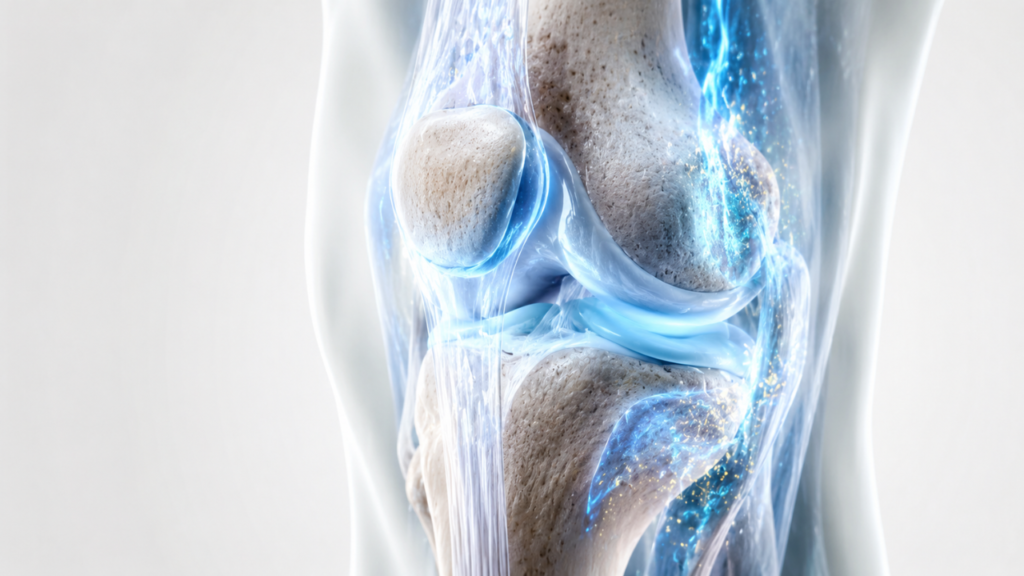
Think of your joints as precision-built mechanical systems. Every step, squat, reach, or stretch depends on several parts working together smoothly.
Healthy joints rely on:
- Smooth cartilage that cushions the ends of bones
- Synovial fluid that acts as a natural lubricant
- Strong ligaments and tendons that stabilize movement
- Muscles that absorb force before it reaches the joint
- Healthy bones that provide structural support
When one of these pieces weakens, the entire system has to work harder. Over time, that can lead to stiffness, discomfort, or reduced mobility.
The encouraging news is that your body constantly responds to the choices you make. Feeding it well, staying active, and allowing time to recover can help support healthier joints at almost any age.
(Learn more in the video below)
What Causes Joint Health to Decline?
Joint problems rarely develop overnight. More often, they build gradually through years of small stresses.
Aging Plays a Role—but It Isn't the Whole Story
As we get older, cartilage naturally becomes thinner and the body’s repair processes slow down. That doesn’t mean pain is inevitable. Many older adults remain active because they consistently support their joints with healthy habits.
Chronic Inflammation
Persistent low-grade inflammation can slowly affect cartilage and surrounding tissues.
Common contributors include:
- Highly processed diets
- Poor sleep
- Ongoing stress
- Smoking
- Excess body weight
- Physical inactivity
Reducing these factors often improves not only joint comfort but overall health.
Sitting Too Much
Your muscles are the body’s natural shock absorbers.
When they’re strong, they help protect the knees, hips, shoulders, and spine by distributing force more efficiently. When they’re weak, the joints often carry a much heavier workload.
Extra Body Weight
Every additional pound increases the load placed on weight-bearing joints with every step you take.
Losing even a modest amount of weight can significantly reduce stress on the knees and hips while improving mobility.
Eat to Support Stronger Joints

Food provides the raw materials your body uses to maintain cartilage, muscles, ligaments, and bones.
Instead of focusing on a single “superfood,” build meals around a variety of nutrient-rich whole foods.
Fill Your Plate With Anti-Inflammatory Foods
A colorful diet naturally provides antioxidants and plant compounds that help your body manage inflammation.
Try to include foods such as:
- Salmon and other oily fish
- Leafy greens
- Berries
- Tomatoes
- Olive oil
- Nuts
- Seeds
- Beans
- Brightly colored vegetables
Rather than aiming for perfection, focus on consistency. Small improvements repeated every day often outperform short-term restrictive diets.
Don't Overlook Protein
Many people think about protein only for building muscle, but it’s equally important for maintaining connective tissues that support healthy joints.
Excellent protein sources include:
- Fish
- Chicken
- Eggs
- Greek yogurt
- Cottage cheese
- Lentils
- Tofu
- Lean meats
- Beans
Including protein at each meal helps your body continuously repair and maintain tissues.
Healthy Fats Matter Too
Omega-3 fatty acids have been widely studied for their role in supporting a healthy inflammatory response.
Great sources include:
- Salmon
- Sardines
- Trout
- Mackerel
- Flaxseed
- Chia seeds
- Walnuts
Making these foods part of your weekly routine is a simple way to support overall joint wellness.
Hydration Is More Important Than Most People Realize
Cartilage contains a large amount of water, making hydration an often-overlooked part of joint care.
Simple habits include:
- Drinking water throughout the day
- Eating water-rich fruits and vegetables
- Choosing water instead of sugary beverages
- Staying hydrated during exercise
Many people notice less stiffness simply by improving their daily hydration.
Move Every Day—Your Joints Will Thank You

Your joints are designed for movement.
Gentle, regular activity keeps them lubricated, strengthens surrounding muscles, and improves flexibility.
The key isn’t exercising harder—it’s moving more consistently.
Walking
Walking remains one of the easiest and most effective ways to support healthy joints.
Regular walks can help:
- Improve circulation
- Increase joint lubrication
- Strengthen leg muscles
- Support heart health
- Assist with healthy weight management
Aim for a pace that allows you to hold a conversation while still feeling like you’re exercising.
Strength Training
Many people with joint discomfort avoid resistance exercise because they worry it will make things worse.
In reality, properly performed strength training often becomes one of the best long-term investments you can make in your joints.
Building stronger muscles around the knees, hips, shoulders, and back reduces the amount of stress placed directly on the joints themselves.
Start with light resistance, focus on proper technique, and increase gradually.
(Learn more in the video below)
Keep Moving Without Punishing Your Joints
Many people with joint discomfort avoid resistance exercise because they worry it will make things worse.
In reality, properly performed strength training often becomes one of the best long-term investments you can make in your joints.
Building stronger muscles around the knees, hips, shoulders, and back reduces the amount of stress placed directly on the joints themselves.
Start with light resistance, focus on proper technique, and increase gradually.
Choose Low-Impact Cardio
If high-impact exercise leaves your knees or hips sore, switch to movements that keep you active while minimizing stress on your joints.
Excellent options include:
- Swimming
- Water aerobics
- Cycling
- Elliptical training
- Rowing
- Brisk walking
These exercises improve heart health, strengthen muscles, and increase endurance while allowing your joints to move through a comfortable range of motion.
The goal isn’t exhaustion—it’s consistency.
Make Mobility Part of Your Daily Routine
Mobility is different from flexibility. It’s your ability to move a joint freely and with control.
Even 10 minutes each day can help reduce stiffness and improve how your body feels.
Focus on gentle movements for:
- Neck
- Shoulders
- Spine
- Hips
- Knees
- Ankles
- Wrists
Simple circles, controlled stretches, and bodyweight movements often provide more benefit than complicated routines.
Stretch Smarter, Not Harder
Stretching shouldn’t feel painful.
Instead, think of it as giving your muscles permission to relax.
After walking or exercising, spend a few minutes stretching:
- Hamstrings
- Quadriceps
- Hip flexors
- Calves
- Chest
- Glutes
Hold each stretch for 20 to 30 seconds while breathing slowly. Avoid bouncing, which can increase the risk of strain.
Recovery Is Where Your Body Gets Stronger
Exercise creates positive stress. Recovery is when your body adapts.
Ignoring recovery is like constantly renovating a house without allowing the builders to finish.
Sleep Is Your Best Recovery Tool
While you sleep, your body repairs muscles, produces hormones involved in healing, and regulates inflammation.
Aim for:
- 7–9 hours of quality sleep
- A consistent bedtime
- A cool, dark bedroom
- Limited screen time before bed
Better sleep often leads to better movement the next day.
Stress Affects Your Joints More Than You Think
Mental stress doesn’t stay in your mind—it affects your entire body.
Long-term stress may contribute to:
- Muscle tension
- Poor sleep
- Increased inflammation
- Reduced motivation to exercise
Simple habits that help include:
- Deep breathing
- Meditation
- Yoga
- Spending time outdoors
- Reading
- Journaling
- Talking with friends or family
Reducing stress supports both your physical and emotional well-being.
Maintain a Healthy Weight
Your joints carry you through life every day.
Reducing excess body weight lessens the force placed on your knees, hips, ankles, and lower back with every step.
You don’t need dramatic weight loss to notice a difference.
Even losing 5–10% of your body weight can improve comfort and make movement easier for many people.
(Learn more in the video below)
Can Supplements Help?
Supplements shouldn’t replace healthy habits, but they may complement a balanced lifestyle.
Some of the most researched options include:
Collagen Peptides
May support cartilage and connective tissue while contributing to healthy skin and bones.
Glucosamine and Chondroitin
Some people experience improvements in joint comfort and mobility after several weeks of consistent use.
Curcumin (Turmeric)
Known for its anti-inflammatory properties and widely used as part of natural wellness routines.
Boswellia Serrata
An herbal extract that may help support comfortable movement and reduce stiffness.
Vitamin D
Supports bone health, muscle function, and overall movement, particularly in people with low vitamin D levels.
Before taking supplements, consult your healthcare provider, especially if you take prescription medications or have existing health conditions.
Your 30-Day Joint Health Reset
Improving joint health isn’t about perfection. It’s about creating habits that become part of your lifestyle.
Week 1
Focus on the basics.
- Walk every day.
- Drink more water.
- Add vegetables to every meal.
- Perform 10 minutes of mobility exercises.
- Get enough sleep.
Week 2
Build strength.
- Add two or three resistance-training sessions.
- Eat more protein.
- Include omega-3-rich foods.
- Practice balance exercises.
Week 3
Improve recovery.
- Stretch after workouts.
- Try yoga or Pilates.
- Reduce processed foods.
- Practice stress management daily.
Week 4
Evaluate your progress.
Ask yourself:
- Do I move more easily in the morning?
- Is climbing stairs easier?
- Has stiffness decreased?
- Do I recover faster after activity?
- Which habits feel effortless now?
- Healthy joints are built one day at a time—not in a weekend.

Frequently Asked Questions
What's the single best exercise for healthy joints?
There isn’t one perfect exercise. Walking, strength training, swimming, cycling, and mobility work each provide different benefits. The best choice is one you enjoy enough to do consistently.
Are cracking joints a sign of damage?
Not necessarily. Joint sounds are often caused by gas bubbles or tendons moving. If cracking is painless and not accompanied by swelling or instability, it’s usually harmless. Persistent pain or significant changes should be evaluated by a healthcare professional.
Can diet really make a difference?
Absolutely. A diet rich in whole foods, lean protein, healthy fats, fruits, and vegetables supports the body’s natural repair processes and helps maintain a healthy inflammatory balance.
Is it too late to improve my joints?
In most cases, no.
While aging can’t be stopped, many people improve mobility, reduce stiffness, and increase strength by adopting healthier daily habits—even later in life.
Progress may be gradual, but it is often meaningful.
Products • Tools • Resources
If you’re building a long-term joint health routine, these resources may help support your efforts:
Exercise Equipment
- Omega-3-rich foods
- High-quality protein sources
- Colorful fruits and vegetables
- Extra virgin olive oil
- Vitamin D-rich foods
Nutrition
- Resistance bands
- Light dumbbells
- Foam roller
- Yoga mat
- Balance pad
- Massage ball
Recovery Tools
- Heating pad
- Reusable cold pack
- Massage gun (used appropriately)
- Supportive walking shoes
- Water bottle with time markers
Helpful Tracking Habits
- Daily step counter
- Mobility journal
- Meal planner
- Sleep tracking app
- Weekly strength log
(Learn more in the video below)

Trusted health information and practical wellness advice designed to help you feel your best every day.
Quick Links
Get in Touch
Have a health or wellness question? Reach out using the Contact page.